The heroine of One Year One Night by SL Roman is teenage Annie who keeps a diary of the huge changes in 1940.
As a young woman her life is altered dramatically. Her father leaves for the Army and in return, Annie’s family in fictional Millside gets a crabby aunt to put up with and a little evacuee boy, Ben.
Annie takes over the family’s hardware shop and her mother has to run the household while facing food restrictions of the war years. On top of that, pleased as she is to be allowed onto the Millside War Committee she has to do all the donkey work.
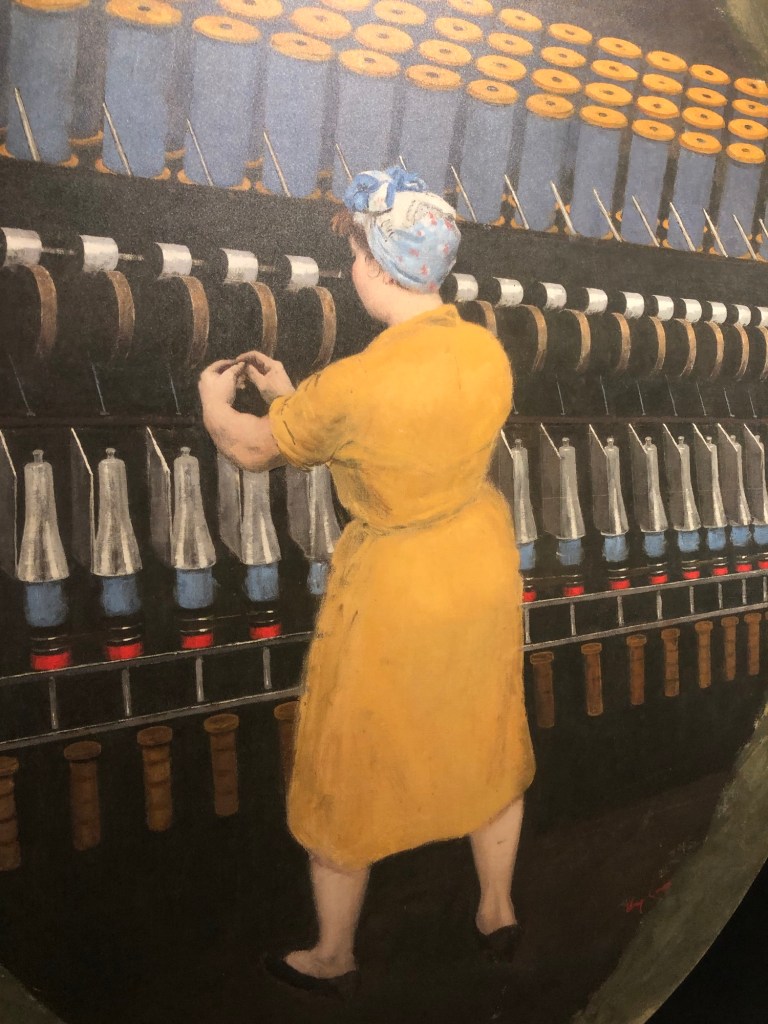
These characters are fictional but all across Britain, the lives of ordinary women were turned upside down. Gone was the traditional image of the housewife doing her chores while waiting for the husband to come home from work. There was plenty of work with so many younger and able men on the Front Line. Unskilled women could earn very good money in a factory and particularly a weapons factory, making bombs or bullets.
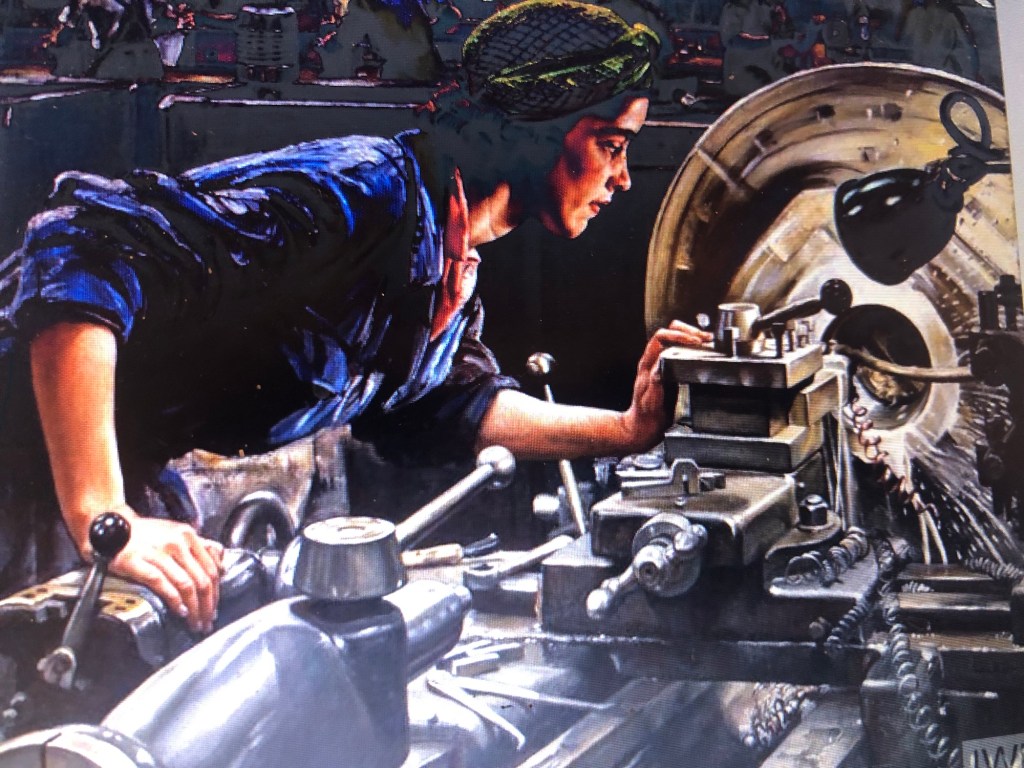
The armaments factories could be dangerous and there was little evidence over concern for Health and Safety.
Just under a million British women worked in factories during World War 2 where they often worked with dangerous chemicals. Some workers handled toxic chemicals every day. They were also at serious risk from accidents and hazardous machinery. And there was the risk of touching highly explosive materials.
The female workers who handled sulphur were nicknamed the ‘Canary Girls’ because their hair and skin turned yellow.
Towards the end of the war there was a blast in a weapons factory in Kirby in Northern Lancashire where one electrical fuse exploded. One woman was killed and her body was blown to bits; 2 girls standing behind her were seriously injured and one died. The factory which made fuses for anti-tank mines was badly damaged and the roof was blown off according to the British Daily Telegraph newspaper.
Women learnt to drive vehicles including ambulances and buses. Nurseries run by the government were available to the female workforce.
Many wartime kids were taught mostly by female teachers. And the lives of women in the home didn’t look the same after 1939 when the Second World War started. Food rationing in 1940 meant housewives had to queue for long stretches and some of the familiar foods were no longer on sale. Residents were encouraged to dig up their flower beds and turn the soil over to vegetables.
Bombing in London destroyed the old squares and the sense of communuity was weakened.
The end of the war brought the men back and started a return to the traditional family roles, but only temporarily. The Genie had been let out of the bottle and women had discovered their ability to work in all fields.
Note to editor. SL Roman is the pen-name of Sarah Onions and Laura Meloni Bywaters who both live in the borough of Kingston in SW London. Sarah was born in Brighton in southern England and Laura was born in Rome.
Now on sale everywhere: In the UK: https://www.amazon.co.uk/One-Year-Night-S-L-Roman/dp/B09GZPYRJ4 and in the US: https://www.amazon.com/One-Year-Night-2nd/dp/194715981X. Also, at Barnes and Noble in North America.And in Surbiton, SW London at The Regency bookshop.
 One Year One Night - SL Roman.
Leave a comment